Angry Rhino Design Review
First Impressions: Bold, Playful, and Surprisingly Endearing
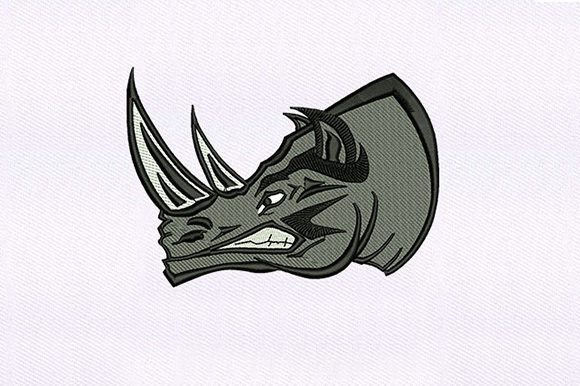
As an embroidery designer who’s tested hundreds of wild animal motifs for personalized gift shops, I’ll say it straight: the Angry Rhino Design caught me off guard—in the best way. It’s not cartoonish or overly aggressive; instead, it balances expressive energy with hand-drawn charm. The brows are furrowed, the nostrils flared, but there’s a softness in the curve of the ear and the subtle texture of the hide that keeps it from feeling harsh. This isn’t just a “funny animal”—it’s a personality-driven machine embroidery design with emotional appeal. Customers drawn to whimsical yet grounded handmade products will instantly connect. Think parents naming their baby after strong, gentle protectors—or couples choosing wedding gifts that wink at resilience and quiet strength.
Where Angry Rhino Design Shines in Personalized Gifting
This design thrives where authenticity and character matter most. For baby embroidery, it adds joyful contrast to neutral nursery decor—imagine it stitched on a cotton muslin blanket or a linen pillow cover beside soft gray and cream tones. On a kitchen towel? It transforms everyday utility into a conversation starter—ideal for Etsy sellers marketing “personality-led home goods.” As a wedding gift, it’s unexpected but memorable: embroidered on a custom tote bag for the couple’s honeymoon, or subtly stitched inside a linen napkin set with their monogram nearby. And for craft fairs? It stands out in a sea of florals and script—it’s modern enough for Gen Z buyers, classic enough for grandparents ordering keepsakes.
Smart Pairings Across Product Types
- Embroidered towel: Works beautifully on medium-weight terry—just avoid the densest pile areas near the hem where stitch definition blurs.
- Pillow cover: Holds crisp detail on linen-cotton blends; ideal for 10”–16” square covers where the rhino fits comfortably within a 4”–5” hoop size.
- Blanket embroidery: Best placed on corner or border—not center—so the bold expression complements rather than overwhelms cozy minimalism.
- Apron or tote bag: Perfect for front-panel placement; its confident stance reads clearly even at smaller scales (down to ~3.5”).
- Nursery decor: Pairs naturally with wooden name signs or printable mockups—add a single embroidered rhino above a baby’s name for instant charm.
Where to Use Angry Rhino Design Thoughtfully
Not every surface is equal—and this design rewards intentionality. Its expressive features (like the textured horn base and defined eye line) rely on clean stitch definition. Avoid using it on:
- Stretchy baby clothes: Knits can distort fine outlines; stick to stable weaves like interlock or double gauze.
- Thick, textured fabric: Heavy waffle-weave towels or bouclé blankets may mute small details—test first.
- Curved surfaces: Mugs or rounded ornaments won’t hold the shape cleanly—reserve for flat or gently contoured items.
- Dark fabric without contrast testing: The design’s expressive lines need thread color lift—check how navy or charcoal reads with light tans or creamy ivories.
- Products requiring frequent washing: High stitch density around the horn and brow means stabilizer choice is critical—more on that below.
Why It Elevates Your Handmade Product’s Perceived Value
The Angry Rhino Design doesn’t just decorate—it tells a story. That shifts how customers see your work. When shoppers browse your Etsy shop or local gift store, they’re not just buying a pillow cover—they’re investing in something with narrative weight: protection, playfulness, grounded confidence. That emotional connection increases perceived value, encourages repeat orders, and builds trust in your curation. Photograph it well—natural light, clean background, styled with complementary textures—and watch engagement rise. Buyers linger longer when a design feels intentional, not generic. And because it’s rooted in the Wild Animals category but executed with artistic nuance, it avoids trend fatigue. This isn’t seasonal—it’s timeless-with-a-twist.
Practical Embroidery Notes Every Maker Should Know
Before stitching your first customer order, treat the Angry Rhino Design like any high-integrity digital embroidery file:
- Test on scrap fabric—especially if using new thread brands or unfamiliar stabilizers.
- Check thread color contrast before finalizing palettes; warm taupes and muted rusts pop beautifully against ivory, while charcoal grays add drama on oatmeal linen.
- Confirm hoop size compatibility; this design likely fits standard 4x4 or 5x7 hoops—but verify before digitizing adjustments.
- Review stitch density; areas like the horn base and eyebrow ridge may run denser—adjust underlay or reduce density slightly if embroidering on lightweight cotton.
- Use proper stabilizer: Medium-cutaway for knits, tear-away for stable wovens, and cutaway-plus-fusible for towels or bags.
- Compare light and dark fabric mockups side-by-side—some thread combinations vanish on black, while others glow on navy.
- Check small details after stitching: Ensure the eye shape and nostril flare remain legible—not lost in thread buildup.
- Confirm commercial licensing before selling finished products; this machine embroidery design includes formats for broad use, but always validate terms with the source.
A Final Thought for Small Shop Owners and Etsy Sellers
The Angry Rhino Design is more than a fun motif—it’s a versatile storytelling tool. Whether you're curating a baby registry collection, building a wedding gift line, or stocking craft fair booths with standout small shop products, this design invites personalization without sacrificing integrity. It reminds customers that handmade isn’t just about technique—it’s about voice, warmth, and the quiet confidence of choosing something that feels *true*. So go ahead: pair it with a handwritten note, photograph it thoughtfully, and let the rhino do the rest. Just remember—always test, stabilize wisely, and honor the balance between boldness and breathability. That’s how a personalized gift becomes a cherished heirloom.