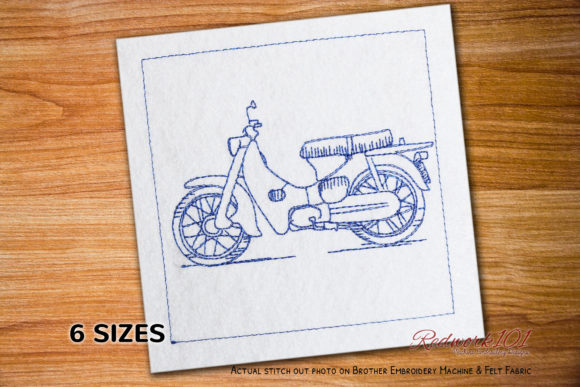
Super Cub: A Craft Fair-Ready Embroidery Design
First Impression: Bold, Playful, and Instantly Recognizable
As an embroidery designer who’s prepped over 200 craft fair booths—from downtown pop-ups to rural holiday markets—I opened the Super Cub file with one question in mind: *Will this stop someone mid-aisle?* The answer is yes. Super Cub lands as bold yet approachable—part vintage transportation charm, part modern graphic wit. It doesn’t whisper “farmhouse” or “minimalist.” It says, *“I’m fun, I’m intentional, and I belong on something you’ll actually use.”* That energy is gold at handmade markets, where attention spans are short and emotional connection drives impulse buys.
Where Super Cub Shines on Real Craft Fair Products
Super Cub isn’t just a digital embroidery file—it’s a versatile design asset that adapts beautifully across categories. Here’s how it performs where it matters most:
- Tote bags: Centered on a natural canvas tote, Super Cub reads cleanly from 6 feet away. Its balanced proportions and strong outer shape hold up even with moderate fabric drape.
- Aprons: Positioned above the pocket or centered on the bib, it adds personality without overwhelming function. Customers love seeing it on aprons—they imagine themselves wearing it, cooking, crafting, hosting.
- Tea towels & kitchen linens: Works especially well on medium-weight linen-cotton blends. The design’s clarity cuts through kitchen clutter—and yes, it photographs brilliantly for Etsy listings.
- Embroidered patches: Super Cub scales down cleanly to 3–4 inches. With the optional Box Stitch, it gains dimension and collectible appeal—perfect for badge reels, denim jackets, or gift pouches.
- Caps & curved surfaces: Proceed with a test run. The outer box shape helps anchor the design, but avoid placing it too close to the bill seam. Use tear-away + cutaway stabilizer combo for clean results.
- Pillow covers & small pouches: Ideal as a focal point. At 5–6 inches wide, Super Cub feels substantial—not fussy, not sparse. It elevates the handmade quality without demanding premium pricing.
Production Reality Check: What You Need to Know Before Hooping
Super Cub is production-friendly—but only if you respect its structure. The outer Box Stitch (noted as optional) is more than decorative: it defines boundaries, improves edge stability, and boosts perceived value. Skipping it on dense fabrics like duck cloth or textured tea towels may cause subtle distortion. Conversely, on lightweight cotton or rayon blends, omitting the box can soften the look nicely.
Here’s what demands attention:
- Stitch density: Moderate—no excessive fill areas, but confirm spacing between elements when scaling. Tight lettering or fine lines shouldn’t collapse at 80% size.
- Fabric texture matters: On heavily napped or looped towels, reduce top thread tension slightly and consider a floating stabilizer layer.
- Dark fabric warning: If using black or navy backgrounds, verify thread contrast. Lighter accent colors (cream, mustard, sky blue) pop best—avoid pale greys unless intentionally muted.
- Small sizes: Below 2.5 inches, Super Cub begins to lose legibility. Reserve it for accents—not tiny tags or keychain patches—unless you’ve tested and confirmed clarity.
Why Super Cub Strengthens Your Booth & Brand
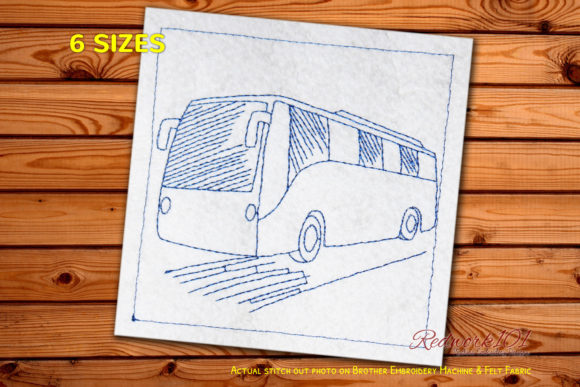
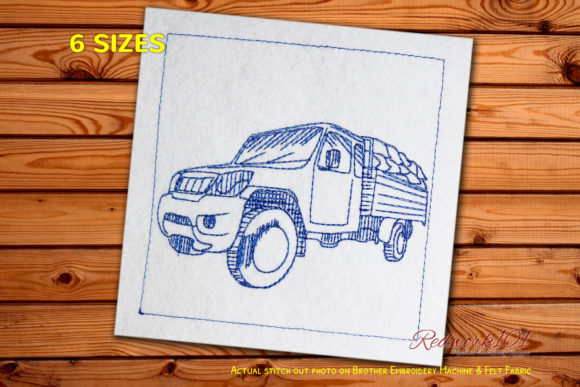
In a sea of florals, quotes, and monograms, Super Cub stands out by tapping into joyful nostalgia—think classic toy trucks, retro signage, and analog playfulness. It’s gender-neutral, age-inclusive, and subtly nods to Transportation without leaning into cliché (no steering wheels, no exhaust pipes). That makes it ideal for cross-category selling: a mom buying a lunchbox pouch might also grab a matching tea towel; a barista might pair it with a custom apron and market bag.
Visually, Super Cub enhances booth cohesion. Use consistent thread colors across your product line—say, charcoal grey box + cherry red interior—and suddenly your display reads as intentional, not eclectic. That consistency builds trust. Buyers don’t just see *a* tote bag; they see *your* brand’s confident, curated voice.
Designer Notes You Can’t Skip
Before cutting fabric or listing on Etsy, do these five things:
- Test stitch Super Cub on scrap fabric matching your intended product—same weight, same finish, same color.
- Compare thread colors in natural light. Digital previews lie. What looks vibrant on screen may mute on oat linen or heather grey.
- Review spacing between inner elements and the outer box. Adjust if needed—especially for dense embroidery files meant for commercial embroidery machines.
- Confirm hoop size compatibility. If your standard hoop is 4×4, check whether Super Cub fits comfortably—or if you’ll need to reposition for larger formats like pillow covers.
- Verify commercial licensing. Since Super Cub is positioned for craft fair products and handmade shops, ensure your license permits finished product sales—not just personal use.
Final Thought: Super Cub Is a Quiet Workhorse
It won’t scream “trendy,” and it’s not designed to. Super Cub succeeds because it’s reliable, expressive, and effortlessly scalable across embroidery applications—from a single embroidered patch to a full line of coordinated kitchen goods. For Etsy sellers juggling mockups and inventory, for boutique makers curating seasonal collections, for Cricut crafters expanding into machine embroidery: Super Cub delivers clarity, charm, and quiet confidence. It’s the kind of design that sells itself—not because it’s flashy, but because it feels *right* in the hand, on the shelf, and in the story your customer tells about their own creativity.